A Neighborhood Check-In Plan Before the Next Disruption
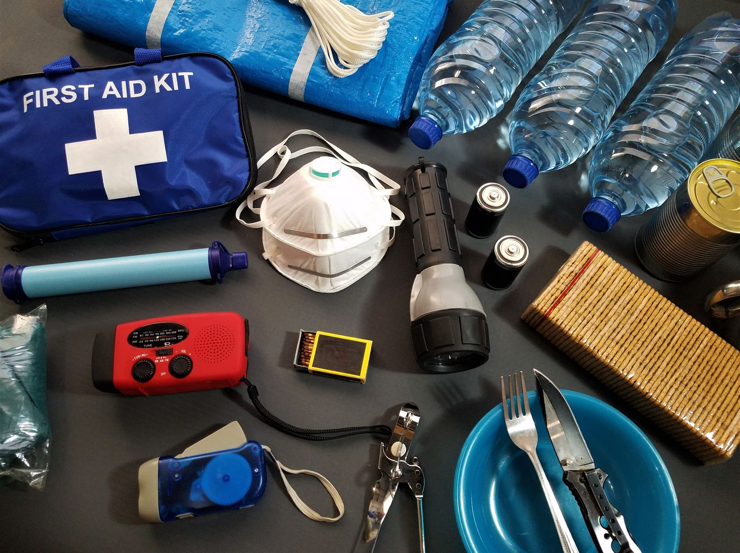
Illustrative stock photo: Roger Brown / Pexels.
A power outage or severe weather disruption can reveal how little neighbors know about reaching one another. A building may have an active group chat, yet no agreed plan for checking on someone who does not use it. A short conversation before a disruption can identify those gaps without creating an elaborate volunteer operation.
For Indian American community groups, apartment residents, and neighborhood associations, the starting point is consent. Ask whether people want to participate and what kind of contact they prefer. A helpful network should make it easier to request support while respecting privacy and individual choices.
Begin with household planning
The American Red Cross recommends making an emergency plan with household members, discussing how to respond to local hazards, and planning communication and meeting arrangements. Its guidance also encourages considering the needs of everyone in the household. A neighbor network can complement that preparation rather than replace it.
Before offering help to others, think about what your own household can realistically do. Work schedules, transport, caregiving, and accessibility needs affect availability. A modest commitment that someone can keep is more useful than a broad promise that depends on circumstances no one has discussed.
Build a small contact circle
Start with a few nearby households instead of collecting an entire community's personal details. Ask each participant how they would like to be contacted and whether they want a backup contact included. Explain who will have the information and how changes or removals will be handled.
Do not ask people to post medical histories, immigration documents, or access codes in a group chat. Someone may choose to share a practical need privately with a trusted person. The shared plan can say who to contact without exposing the underlying personal information to everyone else.
Define what a check-in means
Agree on a basic message and a reasonable follow-up process. A check-in might ask whether the person is safe and whether they need help contacting an appropriate service. It should not imply that neighbors are trained responders or that every request can be handled by volunteers.
Discuss the limits openly. Nobody should enter a dangerous area, ignore an evacuation instruction, or attempt a task beyond their ability simply because they joined the group. In an immediate emergency, contact emergency services. Follow local authorities rather than treating a community message as an official direction.
Choose reliable information sources
Identify the local emergency management office and the official channels used for alerts in your area. Ask participants to share the original source, location, and time when forwarding notices. If a message needs translation, preserve the original alongside it so details can be checked.
A cultural association can help members find official information without presenting itself as an emergency authority. Avoid announcing that a building, school, or community center is available as a shelter unless the responsible organization has confirmed that role for the current situation.
Practice a small part of the plan
Try a routine check-in on an ordinary day and ask what was confusing. Can participants find the contact information? Does the backup know they are included? Is there a workable option for someone who cannot use the usual messaging app?
Review the arrangement when people move or their availability changes. A short, current list is more useful than a large abandoned spreadsheet. Thank participants for what they can offer and make it easy to step back. The purpose is a dependable connection between neighbors, supported by official guidance and realistic expectations about what informal help can achieve.